Why ‘A Case For Coping’?
Because imagination lives in a grey space of acceptance.
When you’re ten, it’s “adorable.” By twenty-five, it’s “grow up.” By forty, it’s “take your meds.”
In A Case For Coping, Maya, age ten, deals with the loss of her mother, but she doesn’t retreat into fantasy; she weaponizes it. As a hard-boiled detective, she recruits an imaginary informant to discover whether her mother is truly gone, or has simply gone missing, much to the dismay of her grieving grandfather, playing the role of weary police chief. Their game reopens Mom’s “cold case” and forces them both to admit the one truth they’ve been dodging: grief doesn’t disappear simply because time wills it.
So why am I telling this story now? Because too much pressure is put on kids to “prepare for the future,” while adults doom-scroll the present. My goal is to remind audiences to breathe and give them permission to retreat into their imaginations. Playing make-believe is not a childish hiccup. It can be a recipe for healing or, at the very least, stress-testing reality.
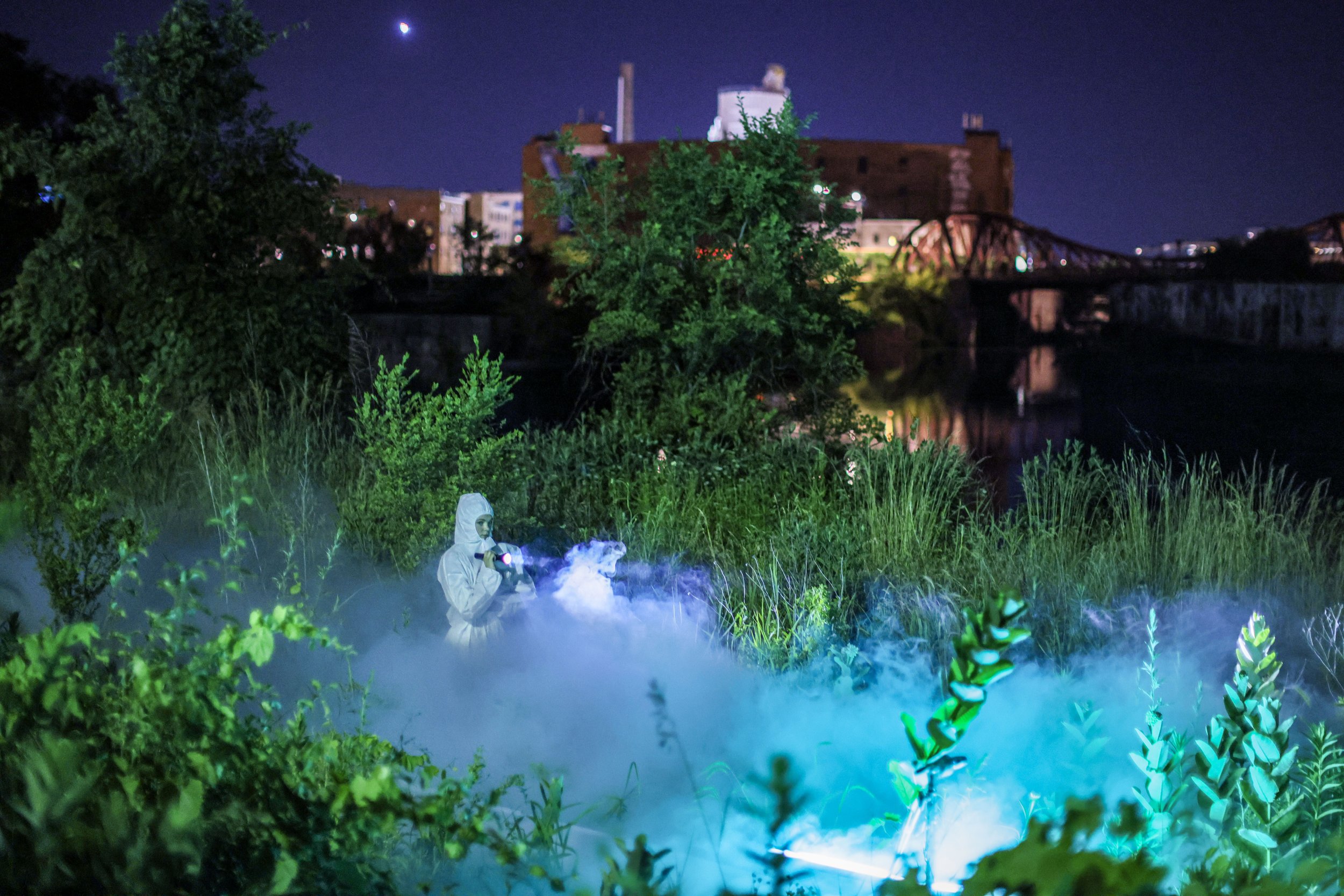
While filming, it was important that the idea of blurred reality came through in the story, but also showed visually across each scene. We filmed using a Sony Venice wearing Cooke anamorphic lenses, allowing Chicago’s alleyways to fray into slippery dreamscapes. Locked-off frames give way to handheld whenever Maya’s fantasy fractures.
Tonally, I’ve always loved the emotional and visual stories of Korean dramas. From Lee Chang-dong’s Burning for its slow fuse tension builder to Bong Joon Ho’s Memories of Murder for its uneasy humour, wide takes, and raw emotion. It’s also hard to ignore the influence that Cary Fukunaga’s True Detective (S1) had on this production for letting scenes breathe and whisper dark thoughts..
A Case For Coping was an incredible exercise in collaborating with a talented team of industry veterans while working with incredible actors across Chicago to bring this amazing short to life. I’m incredibly proud of the result while working within the constraints of indie filmmaking.
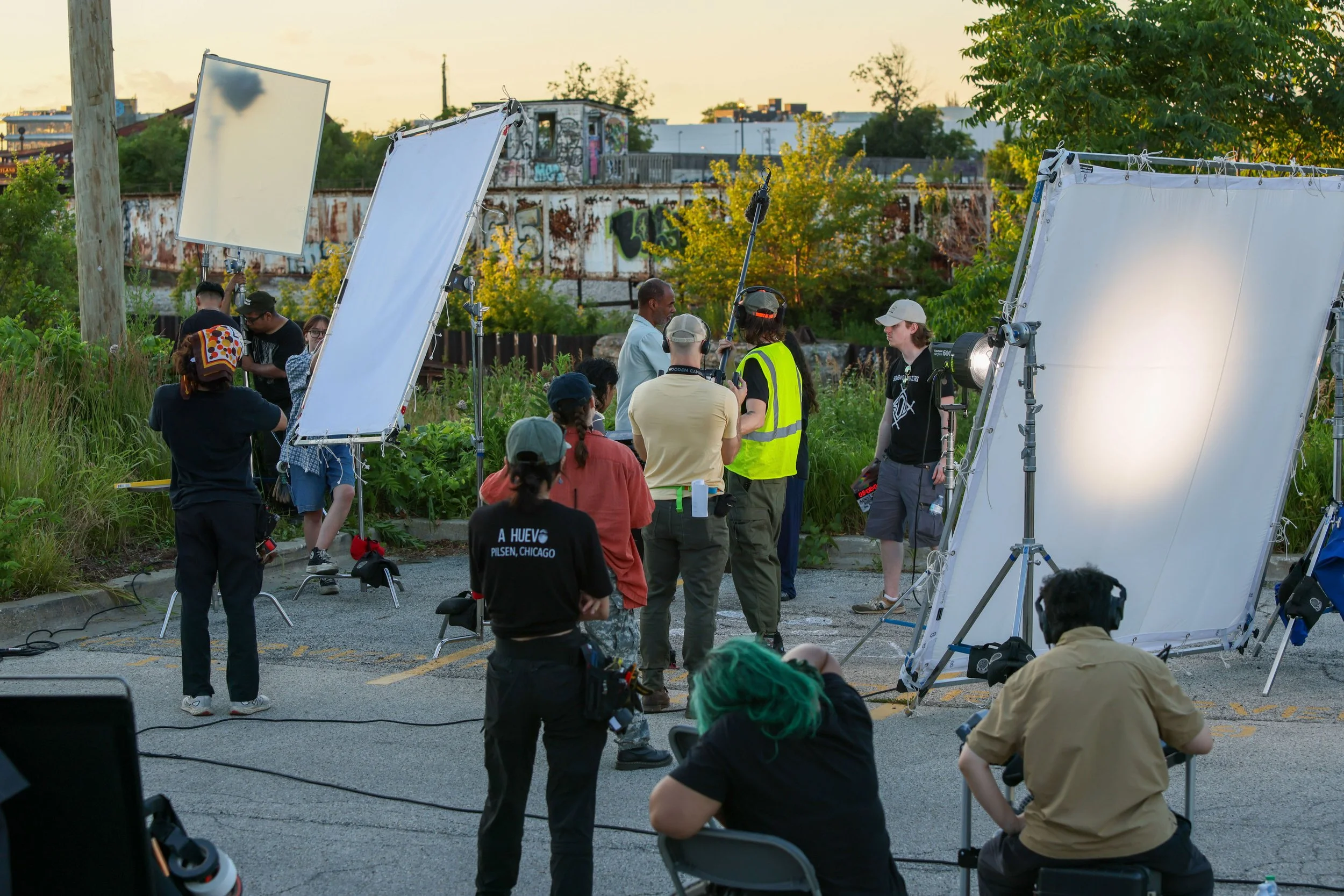
Meet The Crew
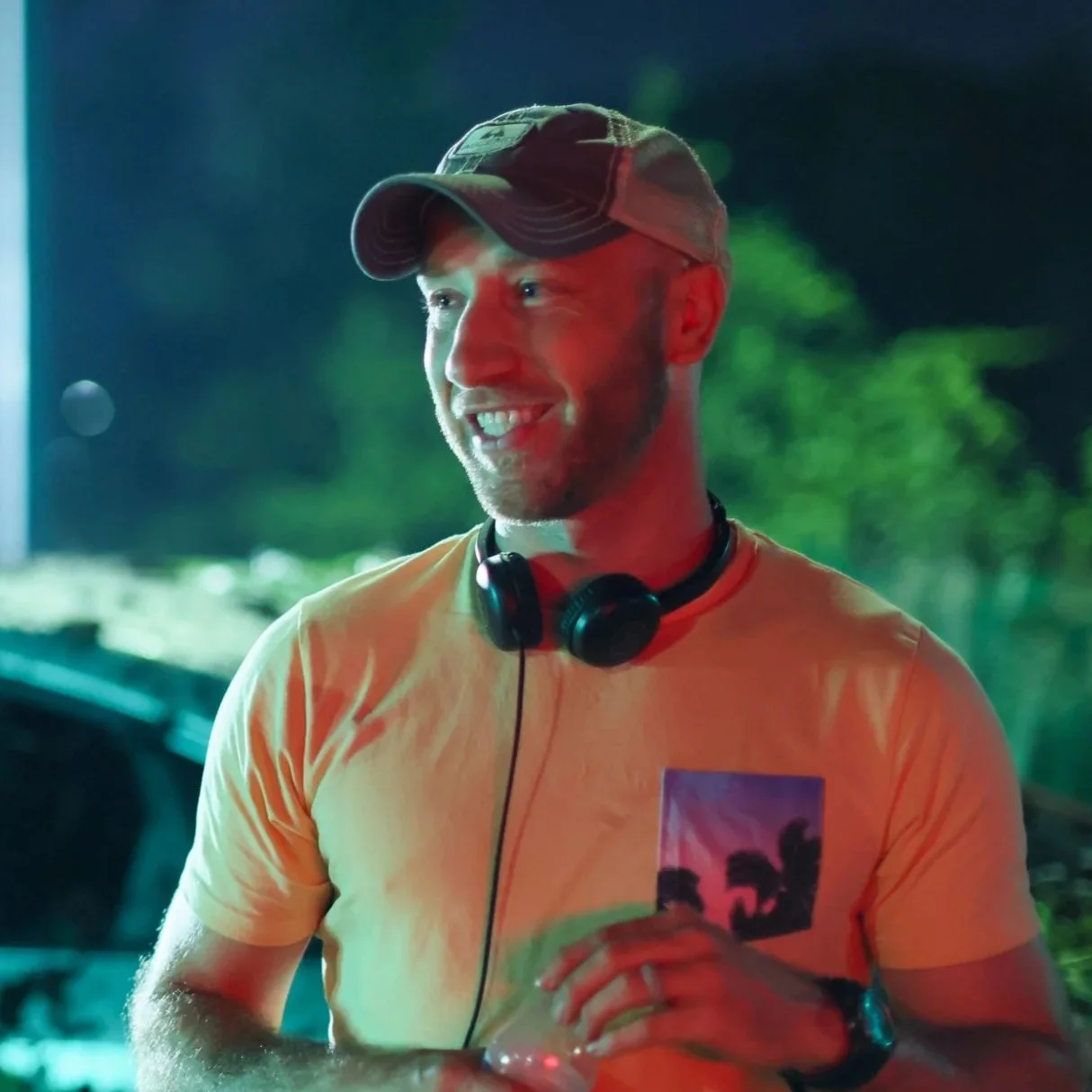
Mitch Bechtold - Writer/ Director/ EP
Air Force veteran Mitch Bechtold traded emergency operations for film sets. After accepting a fellowship in the Writers Guild Foundation’s Veterans Writing Project, he earned his production stripes on WB/DC’s The Batman, Apple TV+’s Shining Girls, and Sony/FX’s Justified. He now channels that studio experience into his directorial projects, crafting visually sharp stories rooted in raw emotional truths.
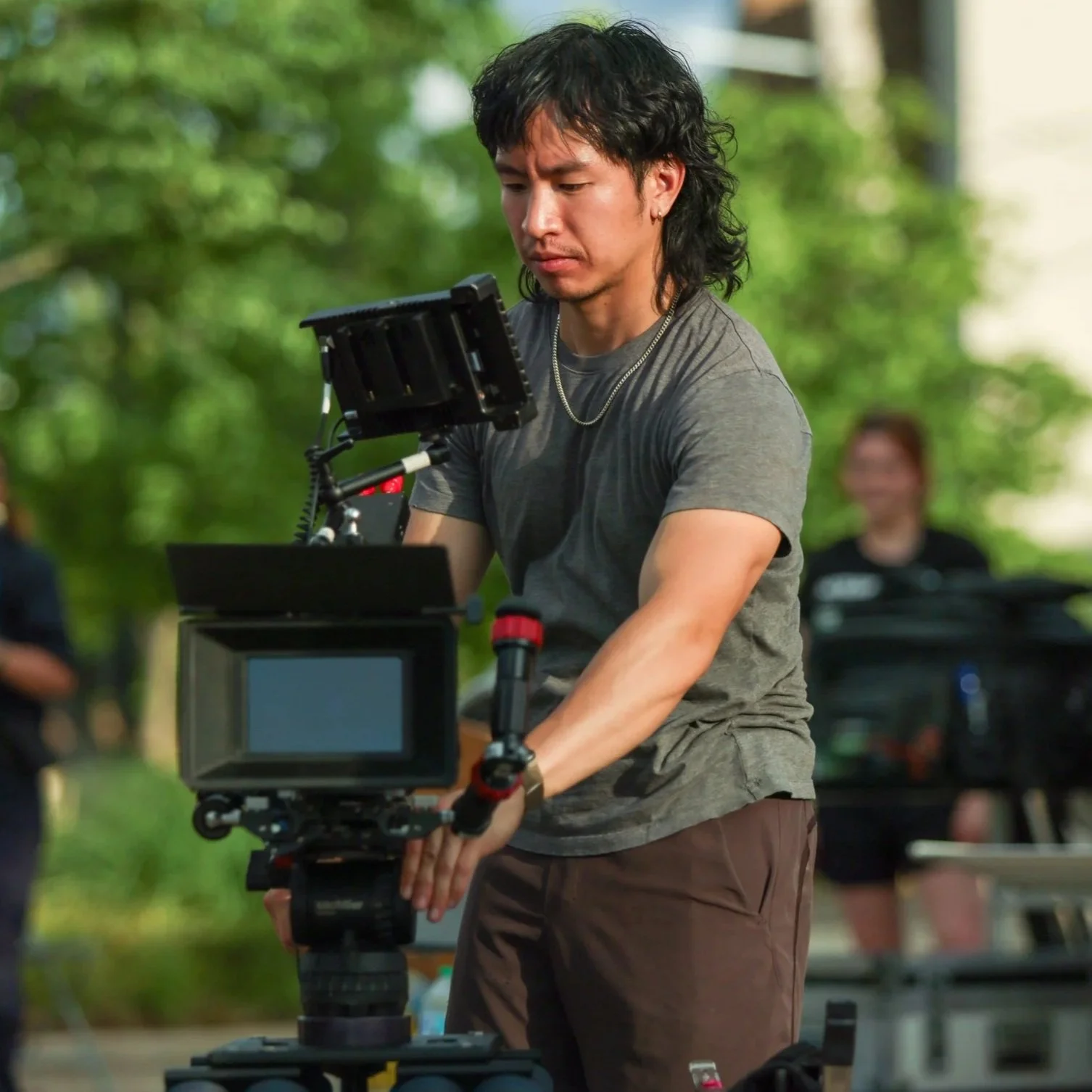
Director of Photography - Andy G Cat
California-bred, with a film & digital media degree, and Bay Area cinematography roots, Andy Cat now spans Midwest crafting visuals to connect with his community. He’s continued to serve a wide range of clients from Nick News, to The Late Show’s Carpool Karaoke, Cold Case Files, and more.
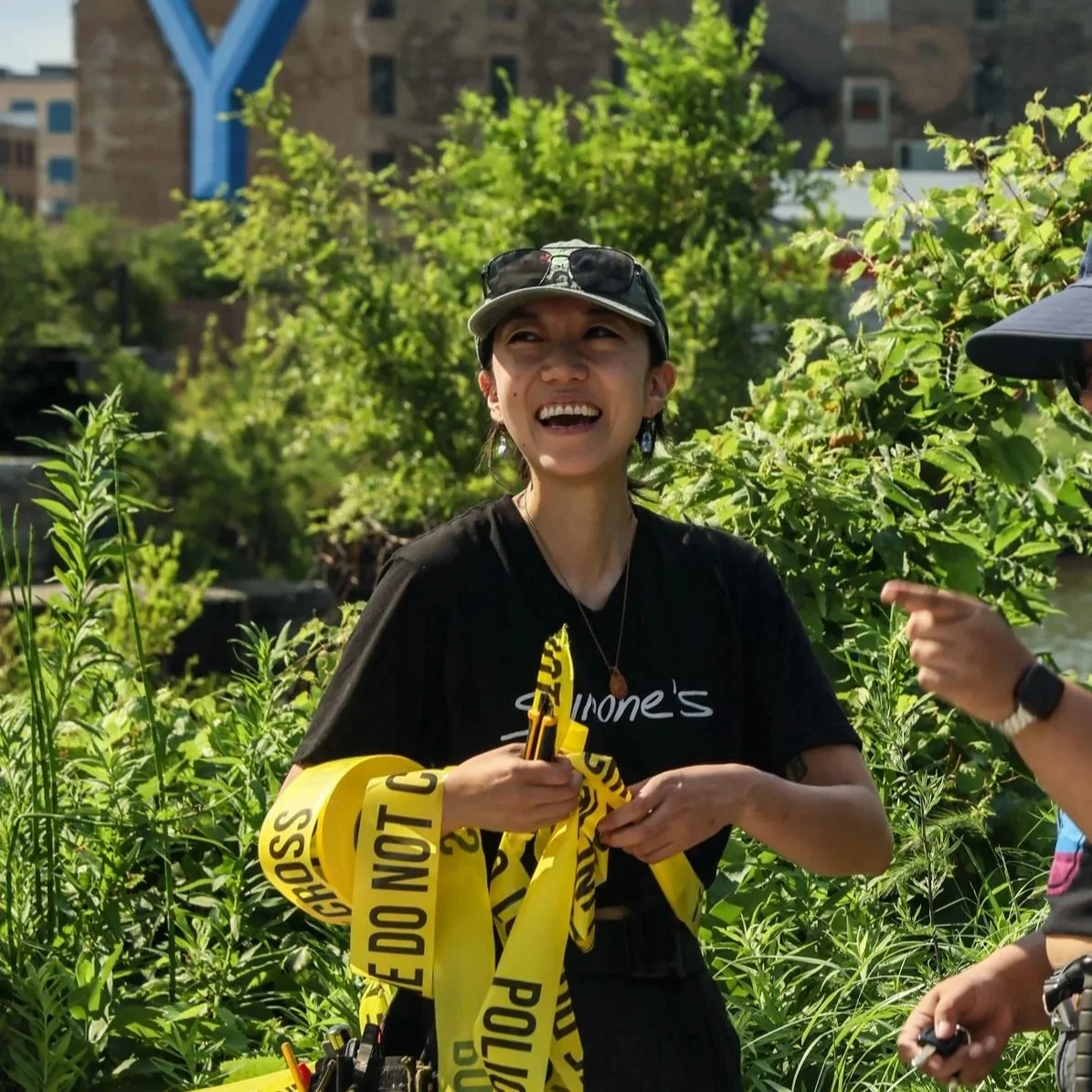
Linda Lee - Production Designer
Linda Lee tells stories through space, whether she’s shaping a Sundance-premiered film (Ghostlight, 2024), forging sculptural hardware for gallery shows, or breathing new life into public buildings. Each project receives custom visual language, driven by her obsession with collaboration and collective care.